
University of Dayton
The Lost Value of College Developing Autonomy and Independence
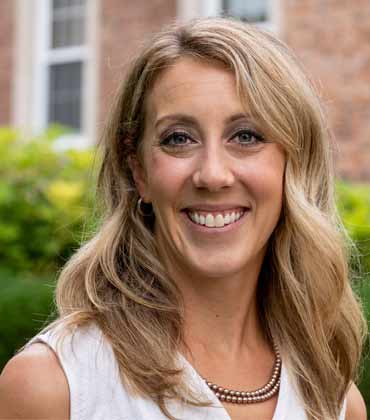
Lindsey Freed
In this feature with Education Insider, Lindsey Freed, Director of Regional Recruitment and Admission at the University of Dayton, discusses the evolving landscape of higher education, emphasizing the critical importance of holistic student development alongside traditional metrics of job placement and student debt.
Are there any particular topics you have in mind that you would like to share or draw special focus on?
Over the last 20 years working in higher education, I have seen a major shift in both the trust in and perceived value of the traditional college experience. Higher education institutions are expected to prove their value, even while many sources report higher earning potential for individuals with a college degree as compared to a high school diploma. Communicating the value of a particular college experience is a valid expectation. The shift that I am observing though is a higher value placed upon a university’s rankings and outcomes with less consideration on the development of what many refer to as soft skills, such as communication, interpersonal skills, leadership, problem solving and so much more. In an effort to simplify a very challenging decision, we cannot eliminate the value of personal development through the college experience.
The college search process is daunting for students and parents. Many want to compare universities on their job placement and average student debt amounts. It is easy to see why those would be the top two measurables. They provide numbers that allow parents and students to quickly assign or determine value based on a high job placement and low average student debt. I suggest that we consider how we assess value to the development of leadership, willingness to serve, decision-making and, ultimately, autonomy. These are characteristics many would agree are beneficial not only to self, but to a larger community.
Those working in higher education understand there are higher levels of anxiety in students and parents. School counselors, parents and the students themselves share that students are nervous about their academic and social readiness for college. Prospective college students share with high school counselors and our own admission staff their deep concern about making “the wrong decision.” Many different sources speak to a gap in communication and social skills amongst teens. These are just two examples of a proven need for more focus on the development of soft skills amongst the 18-22 age group.
“In an effort to simplify a very challenging decision, we cannot eliminate the value of personal development through the college experience.”
The traditional age group attending universities has been studied by student development theorists for generations. Student development theory looks closely at the cognitive development of the 18-22 age group. It suggests that as students engage in the college experience while being provided both challenges and support, they also will grow and develop independence and autonomy. Universities that are able to holistically engage students academically and socially are offering far more than a degree and a job placement outcome. I have been fortunate to work for four different universities and can see distinct differences in the approach to support enrolled students.
Could you impart some more insights for the fellow peers and colleagues reading this piece on creating a seamless opportunity in the industry?
I am not suggesting we ignore the concern around student debt or reduce the importance of securing a job or graduate school placement. Rather, I want us to remember there is necessary development around independence and autonomy. Our society as a whole would stand to benefit greatly as college graduates enter the workforce with a strong sense of autonomy and independence and stronger communication, leadership and problem-solving skills. Not all universities are able to offer the same experience. When engaging with students and families through the college search, it is important to ask students questions about what they hope to experience and gain from the college experience. This can take time to develop the questions that allow students to deeply reflect on the type of person they hope to become. I work to help students and families understand there is a lot more to learn than a particular discipline. The investment in a traditional college experience should offer students holistic opportunities to obtain the desired credential and also the opportunity to advance transferable skills that pave the way for greater success after graduation.

Get the best of Education Insider delivered directly to you.
